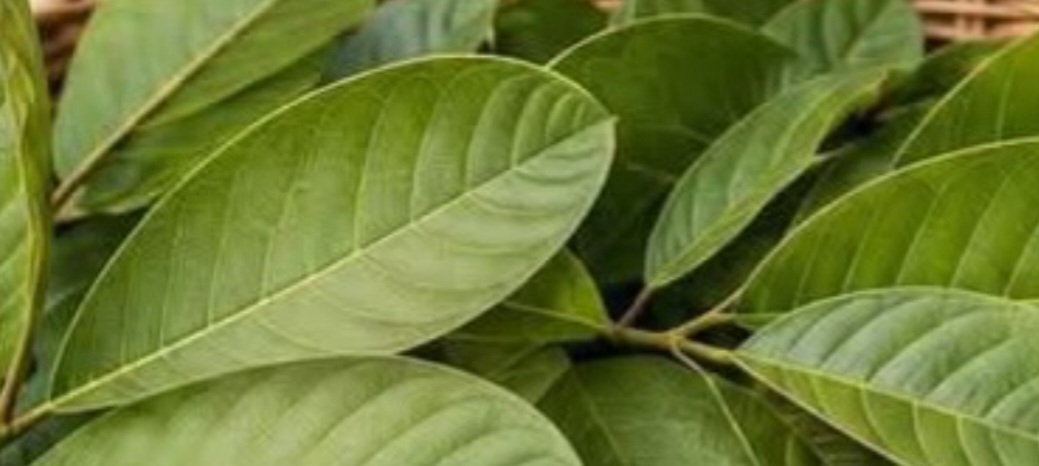
Tooth decay is one of the most common oral health problems worldwide. It can cause discomfort, sensitivity, unpleasant breath, and, if left untreated, lead to more serious dental complications. While professional dental care remains the best solution for cavities, many people also explore traditional plant-based remedies to help support everyday oral hygiene. One natural option that has been used for generations in parts of Asia and Latin America is guava leaf (Psidium guajava). Rich in naturally occurring plant compounds such as flavonoids, tannins, quercetin, and guaijaverin, guava leaves have attracted scientific interest for their antimicrobial and anti-inflammatory properties.Although guava leaves cannot repair cavities or replace a dentist’s treatment, they may help reduce bacteria, soothe irritated gums, and contribute to a cleaner, healthier mouth when used alongside good oral hygiene habits.Let’s explore three traditional ways to use guava leaves safely.Why Are Guava Leaves Popular for Oral Care?The mouth naturally contains hundreds of bacterial species. Some, including Streptococcus mutans, are associated with plaque formation and tooth decay.Laboratory studies suggest that compounds found in guava leaves may help:Reduce the growth of certain oral bacteriaSupport healthier gumsCalm minor gum irritationHelp freshen breathProvide antioxidant support for oral tissuesThese properties have made guava leaves a long-standing ingredient in traditional oral care practices.1. Chewing Fresh Guava LeavesOne of the oldest traditional methods is simply chewing fresh guava leaves.How it may helpChewing releases natural plant compounds that come into contact with the gums and teeth while also stimulating saliva production, which naturally helps cleanse the mouth.How to usePick 2–3 fresh guava leavesWash them thoroughlyChew slowly for about 2–3 minutesSpit out the fibers after chewingRinse your mouth with clean waterSuggested frequencyUse 2–3 times daily if desired as part of your oral care routine.Helpful tip: Some people choose to swallow the juice released during chewing, while others simply discard it. Either approach is part of traditional practice.2. Homemade Guava Leaf Mouth RinseA warm herbal rinse is another traditional remedy that may help maintain oral cleanliness.Ingredients4–5 fresh guava leaves1 cup (250 ml) waterA small pinch of salt (optional)InstructionsBoil the leaves for 5–10 minutes.Strain the liquid.Allow it to cool until comfortably warm.Stir in a pinch of salt if desired.How to useSwish around the mouth for 30–60 secondsSpit it outDo not swallow large amountsSuggested frequencyUse twice daily after brushing.3. Guava Leaf Herbal PasteFresh leaves can also be made into a simple herbal paste for temporary gum comfort.Ingredients3–4 fresh guava leavesPinch of saltPreparationCrush or blend the leaves until they form a thick paste.DirectionsApply gently to the affected gum areaLeave on for 5–10 minutesRinse thoroughly with clean waterSuggested frequencyUse once or twice daily for up to one week.Optional: Some traditional recipes include one drop of clove oil because of its soothing aroma and long history of use in dental care. Always dilute properly and discontinue use if irritation occurs.Potential Benefits for Everyday Oral HygieneWhen combined with brushing, flossing, and regular dental visits, guava leaves may help support:✅ Fresher breath✅ Reduced bacterial buildup✅ Healthier-looking gums✅ Greater oral comfort✅ A cleaner mouth after mealsThese benefits are supportive rather than curative and should not be viewed as treatment for dental disease.Why Many People Appreciate This Traditional RemedyGuava leaves continue to be popular because they are:Widely available in tropical regionsInexpensivePlant-basedEasy to prepare at homeRooted in traditional herbal practicesFor many households, they offer a simple addition to a daily oral hygiene routine.Tips for Best ResultsTo get the most from fresh guava leaves:Choose healthy, fresh leaves.Wash them thoroughly before use.Continue brushing twice daily with fluoride toothpaste.Floss every day.Limit sugary foods and drinks.Stay well hydrated.Schedule regular dental checkups.Healthy habits work best when practiced consistently.Important Safety NotesGuava leaves are generally well tolerated when used occasionally for oral care, but keep these precautions in mind:Avoid use if you have a known allergy to guava.Stop using them if irritation develops.Large amounts may cause mild stomach discomfort in some individuals.Consult your healthcare provider before using herbal remedies during pregnancy or while breastfeeding.Persistent tooth pain, swelling, bleeding gums, fever, or visible cavities should always be evaluated by a qualified dentist.Natural remedies may help manage minor discomfort, but they cannot remove decay or restore damaged teeth.Final ThoughtsGuava leaves have been valued in traditional medicine for generations and continue to be explored for their potential role in supporting oral health. Whether chewed fresh, brewed into a mouth rinse, or prepared as a simple herbal paste, they may offer a natural complement to a healthy dental routine.The most effective way to protect your smile is a combination of good daily oral hygiene, a balanced diet, and regular professional dental care. Think of guava leaves as a supportive addition—not a replacement—for evidence-based dental treatment.A few fresh leaves, consistent oral care, and healthy habits can all contribute to a cleaner, fresher smile over time.Post navigationPrevious11 Very Common “Weeds” That Can Be Tastier and Healthier Than Your Everyday DietNextBanana Blossom: A Healing Superfood with Culinary VersatilityLeave a Comment
Simple Ways Guava Leaves May Help Support Oral Health Naturally